
Expanding workforce pathways for youth in the Texas juvenile justice system
By TJJD Communications —
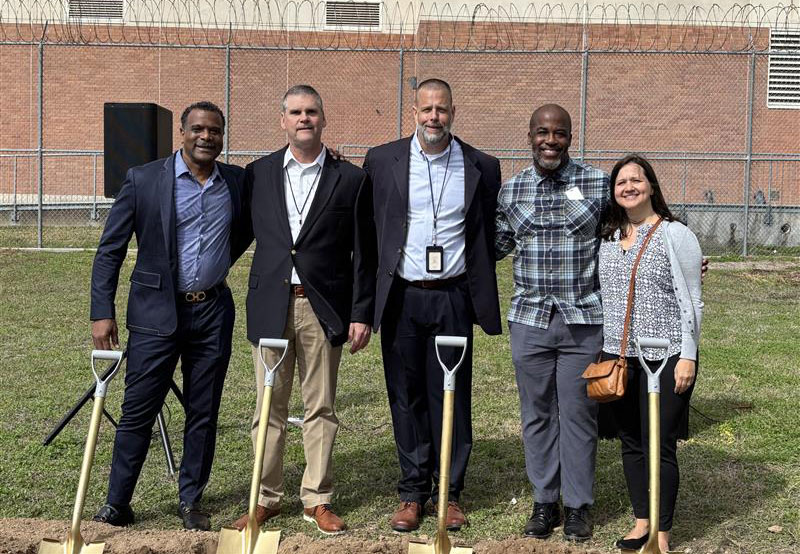
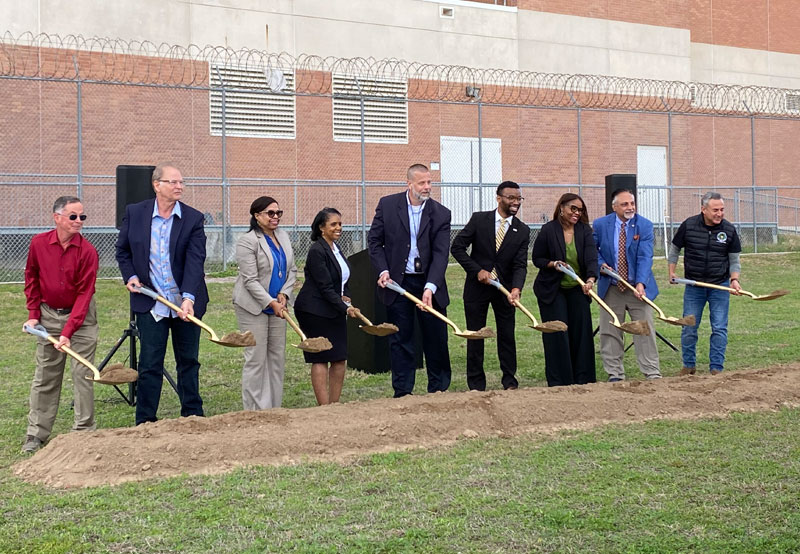
On February 18, 2026, the Fort Bend County Juvenile Probation Department broke ground on a new 6,700-square-foot Juvenile Vocational Training Facility, marking a significant investment in workforce readiness for youth in the juvenile justice system. Department leadership, including Chief Matthew “Kyle” Dobbs, Deputy Chief Slater, and Coach Jalón Debbs, were joined by juvenile probation chiefs from across the state, leaders from the Texas Juvenile Justice Department (TJJD), and juvenile justice professionals from surrounding counties, reflecting strong support across jurisdictions.
Community leaders, including State Representative Suleman Lalani, Fort Bend County Commissioner Dexter McCoy, and Judge Toni Wallace, also attended and addressed the audience during the ceremony. Each emphasized the long-term impact of providing youth with access to meaningful skill development and career pathways. Commissioner McCoy underscored the importance of continued improvement, stating, “No child is beyond investment,” while Chief Dobbs reinforced the mindset behind the project, noting, “To work in juvenile justice you have to be creative and innovative.”
Why vocational training matters for youth outcomes
The new state-of-the-art facility will provide hands-on training in high-demand fields including HVAC, welding, carpentry, electrical trades, graphic design, and cosmetology. Youth in residential placement will participate in structured vocational programs lasting six to twelve months, combining classroom instruction with real-world application. Through partnerships with Texas State Technical College and Wharton County Junior College, youth can earn dual credit while building industry-recognized skills. After completion, youth will have pathways to continue their education and training at nearby campuses or enter the workforce with a foundation in stable, in-demand career fields.
This type of vocational training is a critical component of rehabilitation. Youth who leave the system with workforce skills and industry exposure are better positioned to find employment and less likely to recidivate. Providing access to career training during residential placement helps youth build confidence, develop responsibility, and see a clear path forward.
This facility will also strengthen connections between juvenile justice, higher education, and workforce partners. Scholarship opportunities through the Texas Workforce Commission, support from the Fort Bend Partnership for Youth, and engagement with industry partners will help create a direct pipeline from skill development to employment. By integrating vocational training into residential services, Fort Bend County is ensuring youth have access to tangible opportunities that extend beyond their time in the system.
Strengthening the continuum of care through state and county partnership
County juvenile probation departments play a vital role in the broader continuum of care alongside TJJD, ensuring youth receive consistent support from supervision and treatment to skill development and reentry preparation.
Investments in vocational programming at the county level strengthen that continuum by embedding workforce development directly into rehabilitation at every level. When county probation departments and state partners work together to expand these opportunities, youth leave the system better prepared to enter the workforce, continue their education, and successfully reintegrate into their communities.
This coordination allows services to reach more youth, creating a more stable and effective system in the long term.
Recognizing leadership and collaboration in Fort Bend County

Fort Bend County’s Vocational Training Facility reflects a clear commitment to preparing youth for success beyond the justice system. The support shown by local leaders, state partners, and juvenile probation professionals from across Texas highlights the shared responsibility of creating opportunities for youth.
This project represents the impact of collaboration across agencies, education partners, and workforce leaders, and we are proud to work alongside Fort Bend County as part of a unified system. By expanding access to vocational training at the county level and creating pathways to continued education and employment, they are helping ensure youth don’t get deeper into the system, they leave with the skills, support, and direction needed to move forward successfully.