Request for Information “Transitional Placement” Business Industry Day
The Texas Juvenile Justice Department (TJJD) is hosting a Business Industry Day for contractors and service providers interested in partnering with the agency to expand community-based, individualized residential placement options for youth across Texas. This event provides an opportunity for interested organizations to learn about TJJD’s goals, share industry expertise, and provide input on innovative approaches to increasing the availability of high-quality residential services that meet the diverse needs of youth served by the agency.
Services like:
- Substance Use Services
- Sex Offender Treatment
- Psychiatric Services and Crisis Management
- Trauma informed Care
- Family Reintegration
- Mental health (MH) services
- Mental health (MH) services
- Psychosocial education
- Life-skills development
- Anger management
- And other therapeutic interventions designed to support successful reintegration into the community.

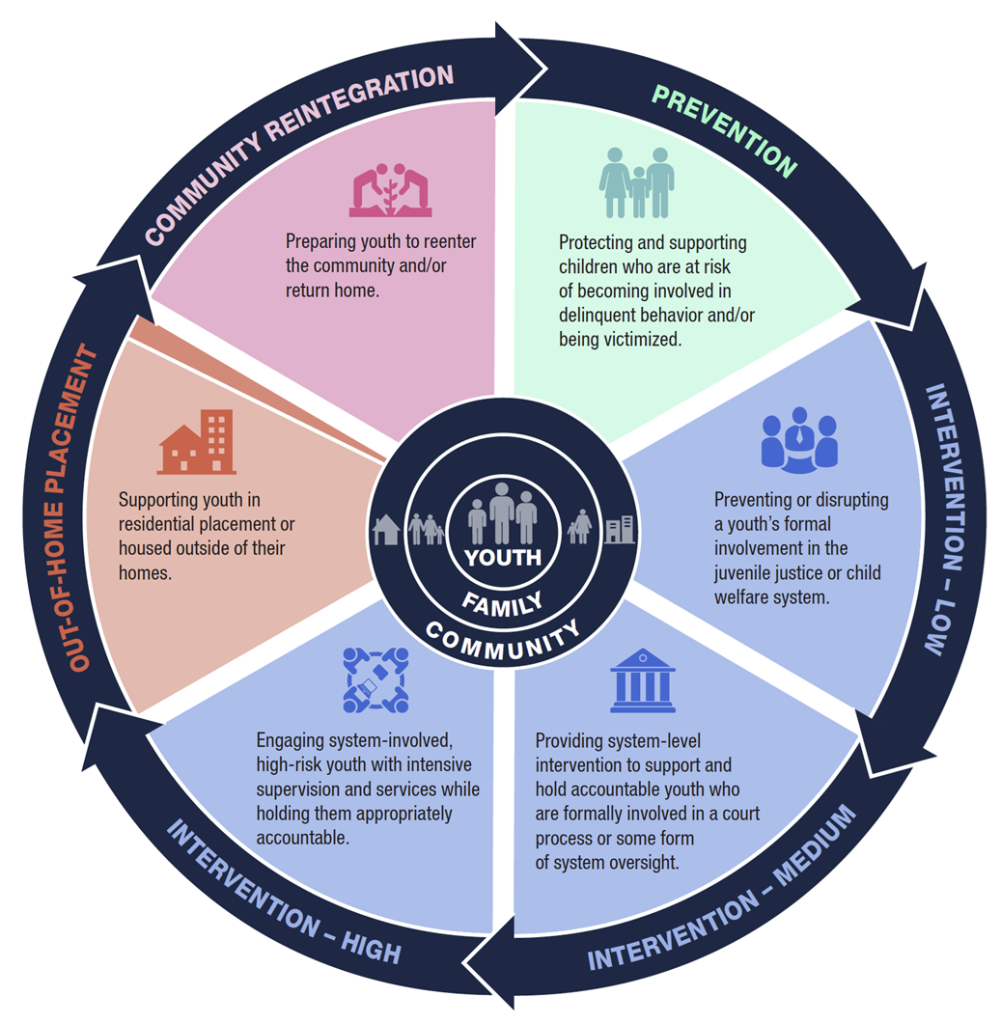
The Texas Juvenile Justice Department’s Continuum of Care Division was established as part of a 2025 reorganization effort designed to strengthen and enhance the state’s continuity of care for justice-involved youth.
TJJD’s mission centers on rehabilitation, public safety, and youth success. Here’show the continuum typically unfolds:
- Residential Placement: Youth committed to TJJD receive education, therapeutic programming, and life skills training in secure facilities through the Texas Model.
- Reentry Planning Begins: From intake onward, the reentry team develops individualized treatment plans addressing education, employment, housing stability, and aftercare services and supports. This may look like family therapy sessions, discussions about career planning and help applying to jobs, or a variety of other supports dependent on youth individualized needs.
- Transition to Parole: When a youth has met treatment milestones and eligibility criteria, they move into their next stage. This could be parole or a step-down program. Parole then takes over supervised reintegration into the community with ongoing support and oversight with the guidance of each youth’s plan.
- Community Engagement and Aftercare: Parole officers connect youth with community-based resources, support family engagement, and help ensure continuity of care. Parole teams meet with their assigned youth on a case-by-case basis, based upon their risk level.
- Discharge and Long-Term Success: Youth who comply with parole requirements and demonstrate positive outcomes can successfully complete parole and transition fully into their next stages of life.
This continuum emphasizes collaboration across systems, including county departments, community providers, families, and educational and employment partners.
At the core of the division’s operations are the Meadows Continuum of Care projects, which focus on strengthening cross-system collaboration for both justice-involved and non-justice-involved youth through a regional approach.
QuickLinks
Leadership
Matt Smith
Director of Statewide Youth Services Continuum
(737) 406-5656
matthew.n.smith@tjjd.texas.gov


Ashley Kintzer
Manager of Regionalization & Probation Support
(512) 490-7987
ashley.kintzer@tjjd.texas.gov