
By TJJD Communications —
During Spring Break 2026, the 36th Judicial District Juvenile Probation Department—which includes Aransas, Bee, Live Oak, McMullen, and San Patricio County—reimagined what community service can look like for youth. What began as a staff-driven initiative in January evolved into Pathways to Potential Week, described as a multi-day experience intentionally designed to move beyond traditional manual-labor service projects and toward a model centered on personal growth, communication, and community-minded skill development.
Rather than limiting service to physical tasks, the team embraced a broader definition that recognized emotional regulation, communication skills, and civic awareness as meaningful contributions to the community.
As Director of Juvenile Services Charity Franco shared, Pathways to Potential Week was built on the belief that “community service can be a transformative process rather than a routine obligation” helping youth grow, reflect, and move toward healthier and successful futures.
A New Model for Community Service
Staff were challenged months in advance to design impactful spring break programming, resulting in a week that blended education, recreation, service, and reflection. Each day was intentionally structured to introduce youth to new environments and experiences while reinforcing accountability, communication, and positive decision-making.
The result of the program was not only youth engagement but also providing the opportunity for self-discovery, to see themselves differently, and envision a whole new path of possibilities.
Monday, March 9 – Exploring College Life
The week began with a visit to Texas A&M University–Kingsville, offering youth a firsthand look at college life and future opportunities.
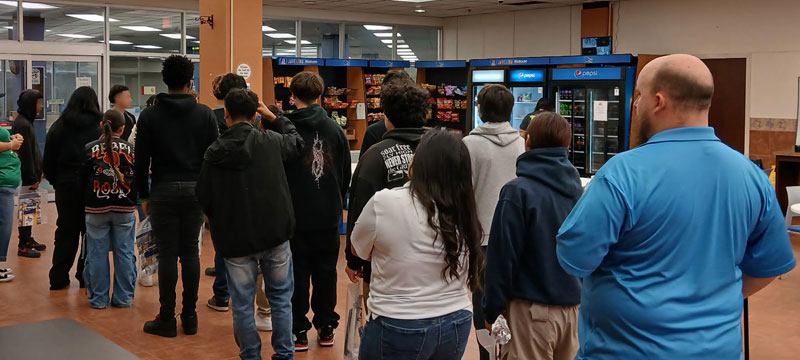
Juvenile Probation Officers shared that the experience was eye-opening for many participants, who were surprised by the variety of academic programs, extracurricular activities, and campus resources available.
For some, the visit sparked new ambitions:
- “I’m interested in learning more about the TRIO program the university has to offer.” – Youth Participant
- “Viewing the art gallery has opened my eyes to see this is something I can do one day.” – Another Youth Participant
The visit helped make higher education feel obtainable and encouraged youth to begin thinking about long-term goals in a more tangible way.
Tuesday, March 10 – Service, Stewardship, and Outdoor Skills
In partnership with the Texas Parks and Wildlife Department (TPWD), youth participated in a combined community service and outdoor education event that emphasized environmental responsibility and teamwork.
The day began with an orientation led by TPWD staff, who introduced the importance of protecting public lands and outlined expectations for safety and behavior.
Participants then engaged in hands-on service work, like removing litter from park grounds and trails as well as assisting with light maintenance such as trimming branches and clearing brush. Many youth expressed surprise at the amount of litter collected and took pride in taking care of our community and the public lands.
The day concluded with a supervised archery activity, where participants practiced focus, patience, and self-control. Under careful instruction, each youth had the opportunity to develop new skills in a structured and supportive environment. .
Building Communication Through Experience
Throughout the week, communication and interpersonal growth remained a central theme. One of the youth’s favorite activities involved a structured exercise using the board game Catan, a strategic board game where players build settlements, trade resources, and compete to expand territories.
With minimal instruction, youth were encouraged to ask questions, advocate for themselves, and collaborate with peers. As the game progressed, staff observed participants becoming more engaged, opening up, and demonstrating increased confidence in their communication skills.
One youth reflected, “I liked that I got to talk to others and hear their stories… I also liked playing Catan; it helped me work on my communication.” This approach reinforced that developing communication skills can be fun and meaningful, allowing for personal growth while building better interpersonal relationships.
Wednesday, March 11 – Team Building at Camp Aranzazu
Midweek, participants traveled to Camp Aranzazu for a full day of structured team-building and recreational activities in a positive, teamwork-centered environment.
The day began with a welcome session and the creation of a group contract, allowing youth to collaboratively set expectations and commit to shared goals.
Participants rotated through activities designed to build trust and confidence, including:
- Archery
- Inland fishing
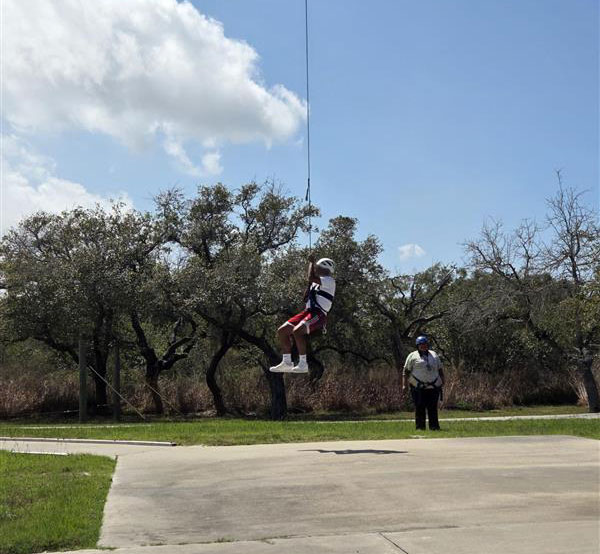
- The “Screamer” giant swing
Each activity encouraged youth to step outside their comfort zones while developing healthier relationships with their peers and mentors. Fishing fostered patience and conversation, archery promoted focus and friendly competition, and the giant swing required cooperation as participants worked together to support one another.
A family-style lunch provided time for connection, followed by continued activities and a closing reflection session.
Youth feedback highlighted the impact of the experience with “The Screamer” being noted as a favorite by many youth, who found it exciting and engaging. Other youth were excited to have discovered new interests while learning fishing and archery, even when initially hesitant.
Overall, participants described the camp as a positive and memorable experience that exposed them to new skills and opportunities.
Thursday, March 12 – Reflection and Future Pathways
The final day focused on reflection and future planning through a combination of restorative practices and innovative career exploration tools.
Youth participated in a Talking Circle, a structured dialogue format that emphasizes respect, equality, and shared responsibility. Using a talking piece, each participant was given uninterrupted time to speak, reinforcing dignity and accountability.
Through a “Collective Knowledge” exchange, youth earned service hours by contributing ideas on how to improve community safety, strengthen relationships, and make better decisions. One participant shared that “The talking circle was nice. I got to see different points of view, and I liked hearing the other side of the story.”
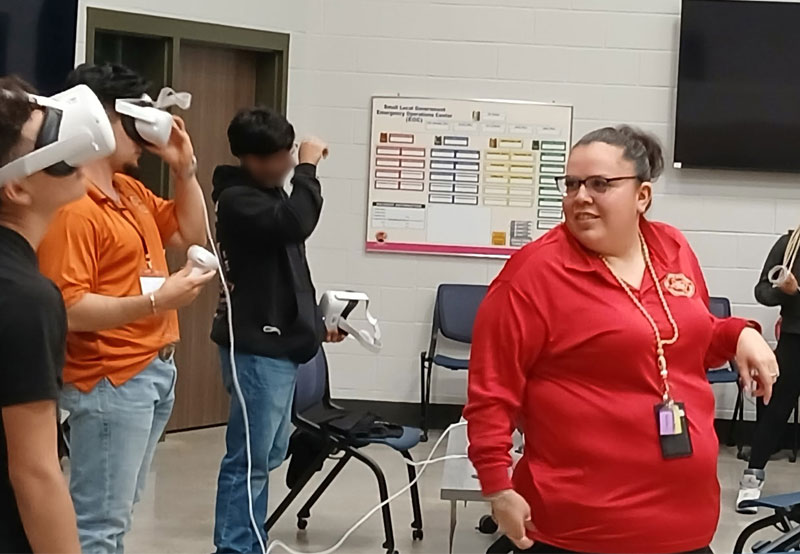
In the afternoon, participants explored career pathways using TRANSFR, a virtual reality platform that allows users to experience different professions and understand the skills and education required.
For many, it was their first exposure to immersive technology, and many expressed excitement about the technology afterward. These experiences helped youth connect personal growth with future possibilities, reinforcing that their choices today can shape tomorrow.
A Lasting Impact
Pathways to Potential Week demonstrated that community service can be an exciting learning opportunity focused on potential for the youth we serve. By shifting the focus from manual labor to meaningful skill-building, the 36th Judicial District Juvenile Probation Department created a program that empowered youth to grow, connect, and envision new futures.
Staff reflected that many participants would have otherwise spent their spring break at home with limited engagement. Instead, they were exposed to new environments, developed practical and interpersonal skills, and built positive connections with peers and mentors.
From outdoor stewardship to college exploration, communication exercises to career discovery, the week provided a foundation for lasting growth. As departments across the state continue to explore innovative approaches like Pathways to Potential Week, it is clear that when community service is rooted in purpose and possibility, it becomes a powerful tool for change.